

Butterscotch Pie is a classic, old-fashioned dessert made with a silky brown sugar custard poured into a flaky pie crust and topped with whipped cream. It tastes like caramel’s cozy cousin — buttery, deep, and sweet without being burnt or bitter.
The filling is smooth and pudding-like, the crust gives you that flaky crunch, and the whipped cream on top balances everything out. It feels like something a grandma would make for Sunday dinner or holidays, but it’s simple enough for any time you want a cozy dessert.
We’ll walk through how to make the custard without lumps, how to keep the eggs from scrambling, and how to get that rich butterscotch flavor every time.
Why You’ll Love This Butterscotch Pie
- Silky custard texture: No grainy or rubbery filling.
- Deep butterscotch flavor: From brown sugar + butter cooked just enough.
- Make-ahead friendly: Needs chilling, so it’s perfect to prep the day before.
- Crowd-pleaser: Classic flavor that feels nostalgic but special.
- Customizable topping: Whipped cream, meringue, or even a drizzle of caramel.
Ingredients
For the crust (shortcut or homemade):
- 1 pre-baked 9-inch pie crust
- Use store-bought or your favorite homemade flaky crust, fully baked and cooled.
For the butterscotch custard filling:
- 1 cup (200 g) packed brown sugar (light or dark)
- 1/3 cup (40 g) cornstarch
- 1/4 teaspoon salt
- 3 cups (720 ml) whole milk
- 4 large egg yolks
- 4 tablespoons (55 g) unsalted butter
- 2 teaspoons vanilla extract
For topping:
- 1 to 1 1/2 cups heavy whipping cream
- 2–3 tablespoons powdered sugar
- 1 teaspoon vanilla extract
Optional garnish:
- Butterscotch chips, chocolate shavings, or a light sprinkle of extra brown sugar on top
How to Make Butterscotch Pie
1. Pre-bake the crust
If you’re using an unbaked pie shell, blind-bake it according to package or recipe directions until golden and fully cooked. Let it cool completely.
Tip: A fully baked and cooled crust keeps the bottom from going soggy once you add the custard.
2. Mix the dry ingredients
In a medium saucepan (off the heat), whisk together brown sugar, cornstarch, and salt. Break up any clumps of brown sugar with the whisk.
This helps the cornstarch distribute evenly so your filling thickens smoothly.
3. Add milk and egg yolks
In a separate bowl, whisk the egg yolks with a little of the milk to loosen them.
Gradually whisk the milk and yolk mixture into the saucepan with the sugar/cornstarch, a little at a time, until everything is combined and there are no lumps.
4. Cook the custard
Place the saucepan over medium heat. Cook, whisking constantly, until the mixture thickens and starts to bubble. This usually takes 7–10 minutes.
Once it bubbles, cook 1–2 more minutes to fully activate the cornstarch. The custard should be thick enough to coat the back of a spoon.
Turn off the heat.
Important: Keep whisking and don’t walk away. This step is what makes the custard smooth instead of lumpy or scrambled.
5. Finish with butter and vanilla
Off the heat, whisk in the butter and vanilla until the butter melts and the filling is glossy and smooth.
Taste carefully (it’s hot!) for sweetness and flavor. Butterscotch should taste deep and buttery with a nice caramel note.
6. Fill and chill
Pour the hot butterscotch filling into the cooled, baked pie crust. Smooth the top.
Press a piece of plastic wrap directly onto the surface of the custard to prevent a skin from forming.
Chill in the fridge for at least 4 hours, or until fully set. Overnight is even better.
7. Whip the cream and top
Just before serving (or up to a couple hours before), beat the heavy cream with powdered sugar and vanilla until soft peaks form.
Remove the plastic wrap from the pie. Spread or pipe the whipped cream over the top.
Garnish with butterscotch chips, chocolate shavings, or a light sprinkle of brown sugar if you like.
Slice and serve cold.

Serving Suggestions for Butterscotch Pie
Serve Butterscotch Pie:
- Cold, with a generous layer of whipped cream
- With a cup of coffee or tea
- After a cozy dinner, especially in fall/winter
- With a drizzle of caramel or a pinch of flaky sea salt on top for contrast
It’s a classic holiday dessert but also works beautifully as a “special Sunday dessert” anytime.
Cook’s Tips
Use whole milk.
For a silky custard with body, whole milk works best. Lower-fat milk can make the filling thinner and less rich.
Cook long enough.
Cornstarch needs a gentle boil for a minute or two to fully thicken. If you stop too early, the pie may be runny.
Strain if needed.
If you see any little lumps, you can pour the hot custard through a fine mesh strainer into a bowl, then into the crust. This gives you a super smooth filling.
Chill fully.
Don’t rush the chilling time. The custard needs several hours in the fridge to slice cleanly.
Cool crust + hot filling is okay.
Just don’t pour hot filling into a warm or hot crust—both should not be hot at the same time or you risk a soggy base.
Variations & Add-Ins
- Salted butterscotch pie:
Add a pinch of flaky sea salt on top of the whipped cream for a salty-sweet finish. - Meringue topping:
Skip the whipped cream and top with toasted meringue instead, like a butterscotch take on lemon meringue pie. - Chocolate drizzle:
Drizzle melted chocolate or chocolate sauce over the whipped cream for a butterscotch-chocolate combo. - Nutty crunch:
Top with chopped toasted pecans or walnuts just before serving for texture.
Storage & Notes
Fridge:
Store leftover pie covered in the refrigerator for up to 3 days. The whipped cream will be best in the first 1–2 days.
Freezer:
Custard pies don’t freeze very well — the texture can turn grainy once thawed, so it’s better to keep this one in the fridge only.
Make ahead:
You can make the crust and custard a day ahead and chill. Add whipped cream topping close to serving time.
FAQ
What’s the difference between caramel and butterscotch?
Caramel usually starts from white sugar, while butterscotch is made with brown sugar and butter, giving it a deeper, more molasses-like flavor.
Can I use dark brown sugar?
Yes. Dark brown sugar gives a deeper, stronger butterscotch flavor. Light brown sugar is a bit milder. Both work.
Can I use a graham cracker crust?
Absolutely. It will taste a bit like a butterscotch cream pie with a crunchy sweet base. Just fully bake and cool the graham crust first.
Why is my custard lumpy?
Usually from not whisking enough or cooking too hot. You can fix it by pushing the hot custard through a mesh strainer.
Can I make this without cornstarch?
Cornstarch gives it a reliable, sliceable thickness. Some recipes use flour or only egg yolks, but this version is written for cornstarch.
Butterscotch Pie is one of those old-fashioned desserts that feels like a warm memory on a plate — even if you’re making it for the first time. The brown sugar custard is silky and rich, the crust adds crunch, and the whipped cream keeps each bite light.
It’s simple to make with pantry ingredients, easy to prepare ahead, and always impressive on the table. Slice it cold, pass the plates around, and watch it disappear.
Best Butterscotch Pie – Silky Brown Sugar Custard in a Flaky Pie Crust
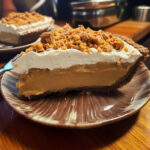
Classic butterscotch pie with a silky brown sugar custard filling in a flaky baked crust, topped with clouds of lightly sweetened whipped cream. Rich, cozy, and perfect for holidays or any special dessert.
Ingredients
- Crust:
- 1 pre-baked 9-inch pie crust, cooled
- Butterscotch custard filling:
- 1 cup (200 g) packed brown sugar
- 1/3 cup (40 g) cornstarch
- 1/4 teaspoon salt
- 3 cups (720 ml) whole milk
- 4 large egg yolks
- 4 tablespoons (55 g) unsalted butter
- 2 teaspoons vanilla extract
- Topping:
- 1 to 1 1/2 cups heavy whipping cream
- 2–3 tablespoons powdered sugar
- 1 teaspoon vanilla extract
- Optional garnish: butterscotch chips, chocolate shavings, or a sprinkle of brown sugar
Instructions
- 1. Prepare crust:
- 2. Bake the pie crust according to package or recipe directions until fully cooked and golden. Let it cool completely.
- 3. Mix dry ingredients:
- 4. In a medium saucepan (off heat), whisk together brown sugar, cornstarch, and salt.
- 5. Add milk and egg yolks:
- 6. Whisk egg yolks with a little of the milk to loosen. Gradually whisk the milk and yolk mixture into the saucepan until smooth.
- 7. Cook custard:
- 8. Place saucepan over medium heat. Cook, whisking constantly, until thick and bubbling (7–10 minutes). Once it bubbles, cook 1–2 minutes more to fully thicken.
- 9. Finish custard:
- 10. Remove from heat. Whisk in butter and vanilla until melted and smooth. If needed, strain through a fine mesh sieve for extra-smooth texture.
- 11. Fill and chill:
- 12. Pour the hot butterscotch filling into the cooled crust. Smooth the top. Press plastic wrap directly onto the surface. Chill at least 4 hours, or until set.
- 13. Whip cream and top:
- 14. Beat heavy cream with powdered sugar and vanilla until soft peaks form. Remove plastic wrap from the pie. Spread or pipe whipped cream on top. Garnish if desired.
- 15. Serve:
- 16. Slice with a sharp knife and serve chilled.
Notes
Don’t skip the chill time — it’s key for a clean slice.
Dark brown sugar gives a deeper butterscotch flavor; light brown is milder.
For a salted version, sprinkle flaky sea salt over the whipped cream just before serving.
Nutrition
Estimated: ~350–450 calories, ~22–28g fat, ~35–45g carbs, ~5–7g protein.
Values vary based on crust type and amount of whipped cream used.